
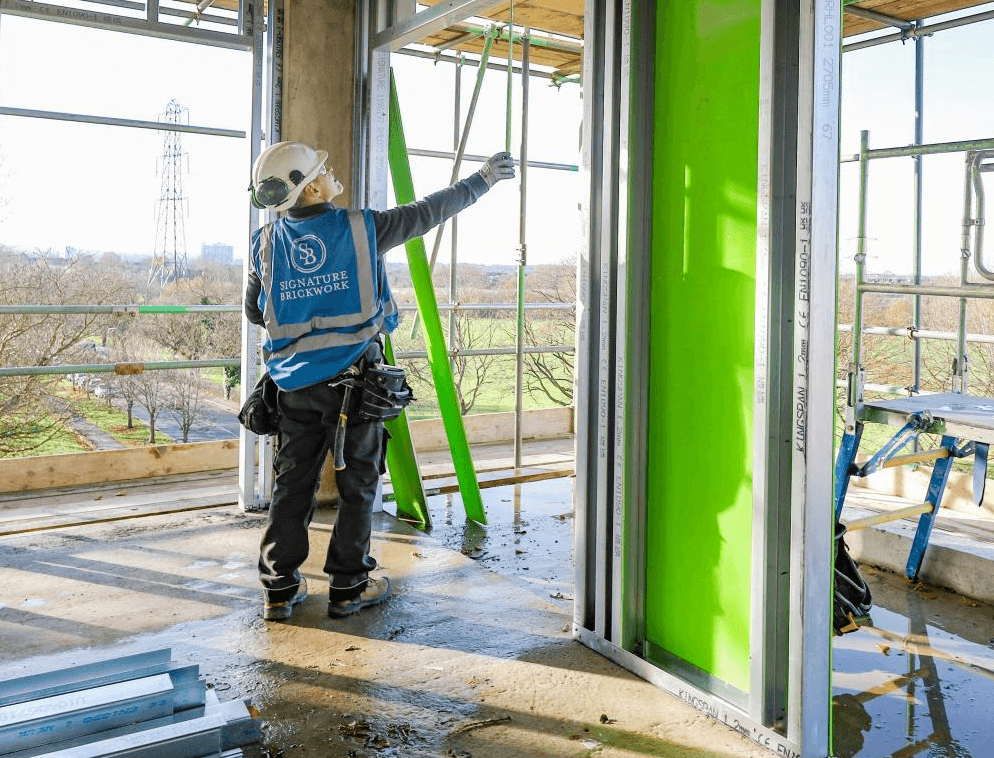
Successful construction projects rely on more than skilled labour and good design. They also require effective construction material management in Essex, ensuring the correct materials are available at the right time and in the right quantities. When materials are poorly managed, projects can face delays, high expenses, and lower productivity.
For companies working on residential, commercial, or large-scale developments, appropriate material management plays a crucial role in maintaining efficiency, quality, and project timelines. When materials, labour, and scheduling are carefully coordinated, construction teams can work more effectively and avoid costly disruptions.

What Is Construction Materials Management?
Construction materials management refers to the systematic procedure of planning, sourcing, storing, and using materials for a building project. It involves coordinating suppliers, managing inventory, monitoring delivery schedules, and making sure materials meet project specifications.
In many ways, material management acts as the backbone of a construction project. While labour resources in Essex carry out the physical work on site, the availability of bricks, mortar, steel, and other building materials determines whether the project can progress smoothly.
A well-organised system ensures materials arrive on site when needed. This reduces unnecessary storage issues, prevents delays, and helps minimise material waste during the construction process.
The 5 Key Principles of Materials Management
Effective construction material management rests on five essential principles:
The Right Materials
Construction projects require materials that meet precise specifications and quality standards. Selecting reliable suppliers ensures that materials perform as expected and meet safety requirements.
The Right Time
Materials must arrive at the correct stage of the project. Deliveries that arrive too early may create storage challenges, while late deliveries can slow down construction progress.
The Right Quantities
Accurate material estimation helps prevent shortages or oversupply. Ordering the right quantities keeps projects running efficiently while reducing waste.
The Right Cost
Maintaining cost control is an important aspect of material management. Negotiating fair prices with suppliers keeps construction budgets under control without compromising quality.
The Right Sources
Dependable suppliers are vital in successful construction projects. Working with trustworthy partners helps ensure consistent quality and reduces the risk of delays caused by faulty or unsuitable materials.
Key Stages of Construction Materials Management
Effective material management involves several structured stages that support smooth project delivery.
Material Planning
This stage involves identifying the materials required for the project and estimating the quantities needed. Construction teams also establish delivery timelines to match the project schedule.
Material Sourcing and Procurement
After planning, the next step is selecting dependable suppliers. Purchase orders and contracts are arranged to secure the required materials at competitive prices.
Material Receiving and Inspection
When materials arrive on site, they must be inspected carefully to confirm they meet the required specifications and quantities.
Material Storage
Materials should be stored safely in designated areas to protect them from damage, theft, or adverse weather conditions.
Material Usage and Inventory Control
As the building progresses, materials are issued for particular tasks.Inventory levels should be monitored to make sure supplies remain sufficient throughout the project.
These processes are sometimes coordinated by a construction site manager in Essex, who oversees site operations and ensures materials are used efficiently.
Why is Materials Management Important in Construction?
Materials management helps construction projects run smoothly by making sure materials are available when needed. This improves productivity, reduces costs, and minimises waste. Proper organisation also improves site safety by preventing clutter and hazards. An experienced construction manager near Essex helps coordinate materials and labour to keep projects on schedule.
Common Challenges in Materials Management
Managing construction materials can be challenging. Inaccurate forecasting can lead to shortages or excess stock, enhancing costs or causing delays. Complex supply chains and limited storage space can also create difficulties, especially when materials arrive too early or require special protection.
Best Practices for Effective Material Management
Construction companies can improve efficiency by using digital inventory systems, forecasting material needs accurately, and working with reliable suppliers. Proper storage, clear organisation, and careful handling of materials help protect resources and maintain a safe, efficient construction site.
Work with Experienced Construction Managers in Essex
Effective construction material management in Essex is essential for keeping building projects organised, efficient, and cost-effective. By planning material requirements and working with reliable suppliers and labour resources in Essex, construction teams can minimise delays and reduce unnecessary waste. With the guidance of an experienced construction site manager in Essex or a trusted construction manager near Essex, companies can ensure that materials, schedules, and workforce efforts are aligned to deliver high-quality results for every construction project.
FAQ’S
1. How Are Construction Materials Managed on a Building Project?
Construction materials management involves planning, buying, storing, and controlling materials throughout a project. It includes identifying material needs, sourcing reliable suppliers, tracking inventory, and coordinating deliveries to ensure materials are available when required.
2. What Is a Labour Resource in Construction?
A labour resource refers to a worker or group of workers with the particular skills, qualifications, and experience needed to perform particular construction tasks or operate equipment on a project.
3. What Is the Difference Between a Construction Manager and a Site Manager?
A construction manager oversees the whole project, including budgets, schedules, and resources. A site manager focuses on daily on-site operations, supervising workers, ensuring safety, and making sure construction activities run smoothly.